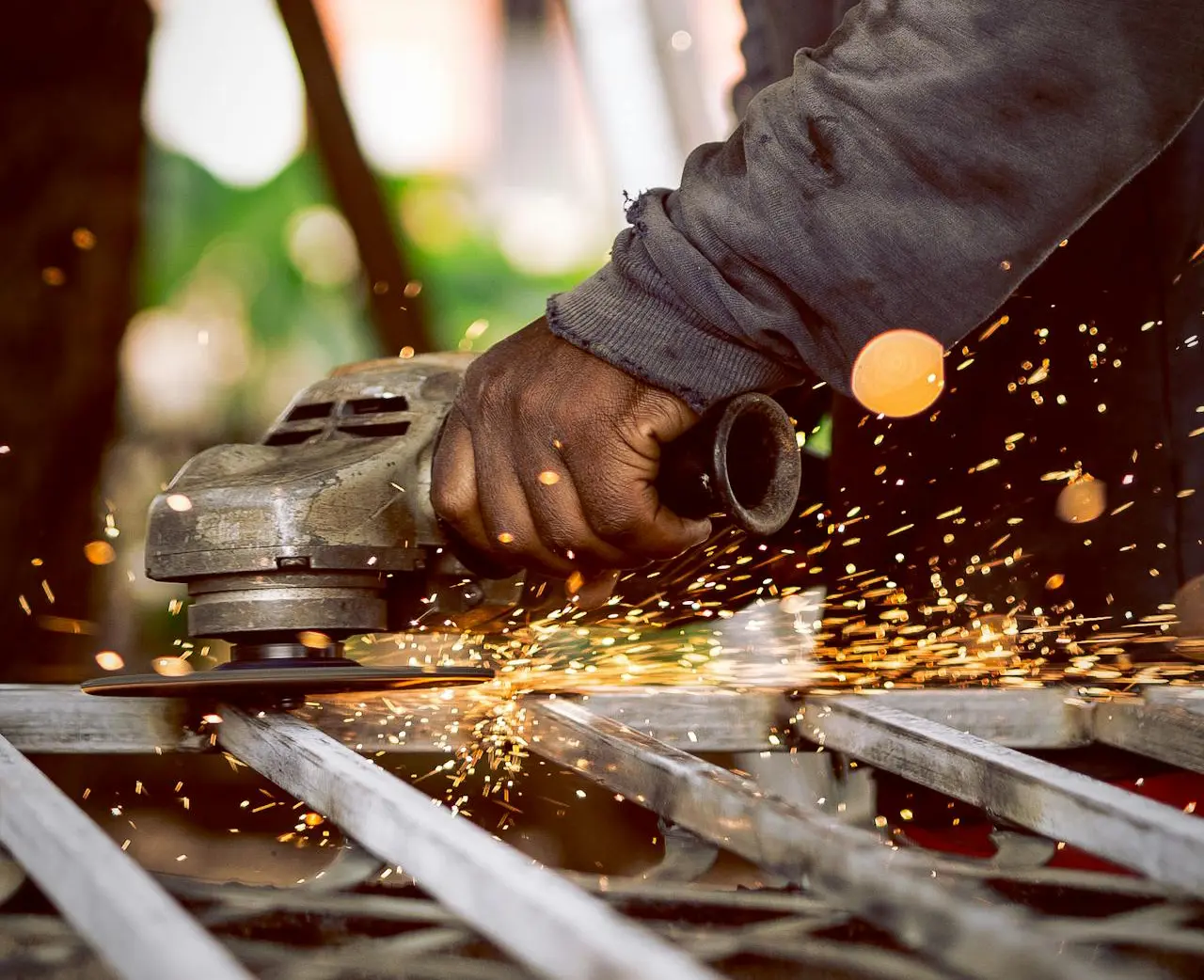
Custom metal fabrication plays a critical role in modern construction, manufacturing, and architectural design across the UK. Off-the-shelf solutions often fail to meet specific project requirements, leading to compromises in quality, functionality, or design. That’s where custom fabrication steps in offering precision-engineered solutions tailored to exact specifications.
Whether you’re developing a commercial property, upgrading industrial equipment, or creating bespoke architectural features, custom metal fabrication ensures durability, performance, and a perfect fit. In this guide, we’ll break down the process, benefits, materials, and how to choose the right fabrication partner.
What Is Custom Metal Fabrication?
Custom metal fabrication is the process of designing, cutting, shaping, and assembling metal components to meet specific project requirements. Unlike mass-produced items, these solutions are built from scratch based on detailed designs and engineering standards.
The process typically involves:
- Design and planning (CAD drawings)
- Cutting (laser, plasma, or waterjet)
- Bending and forming
- Welding and assembly
- Finishing (powder coating, galvanising, polishing)
This approach ensures that every component meets precise functional and aesthetic needs.
Benefits of Custom Metal Fabrication
1. Tailored to Your Exact Needs
Custom fabrication allows you to create components that perfectly match your project specifications—no compromises required.
2. Superior Quality and Durability
Fabricated metal products are built using high-grade materials and advanced techniques, ensuring long-lasting performance.
3. Design Flexibility
From intricate architectural designs to heavy-duty industrial parts, custom fabrication offers complete design freedom.
4. Cost Efficiency in the Long Run
While initial costs may be higher than standard products, custom solutions reduce maintenance and replacement expenses over time.
5. Compatibility with Complex Projects
Custom fabrication ensures seamless integration with existing systems, structures, or machinery.
Industries That Rely on Custom Metal Fabrication
Custom fabrication is essential across a wide range of UK industries:
Construction and Infrastructure
- Structural steel components
- Staircases, railings, and balustrades
- Building frameworks
Commercial and Retail
- Shop fittings and displays
- Signage structures
- Security gates and barriers
Industrial and Manufacturing
- Machinery parts
- Equipment frames
- Storage systems
Architectural and Interior Design
- Decorative metalwork
- Bespoke furniture
- Feature installations
Materials Used in Custom Metal Fabrication
Choosing the right material is crucial for performance and longevity.
Steel
- Strong and versatile
- Ideal for structural applications
- Cost-effective and widely used
Stainless Steel
- Corrosion-resistant
- Suitable for hygienic environments
- Sleek, modern appearance
Aluminium
- Lightweight and durable
- Resistant to rust
- Perfect for modern designs
Other Metals
- Brass and copper for decorative work
- Special alloys for specific industrial needs
The Custom Metal Fabrication Process Explained
Understanding the process helps you plan your project effectively.
1. Consultation and Design
Engineers work with you to understand requirements and create detailed CAD drawings.
2. Material Selection
Choosing the right metal based on strength, environment, and budget.
3. Fabrication
Using advanced machinery for cutting, shaping, and welding components.
4. Finishing
Applying coatings or treatments to enhance durability and appearance.
5. Installation
Professional installation ensures proper fitting and long-term performance.
Key Factors to Consider When Choosing a Fabrication Partner
Selecting the right company is essential for project success.
Experience and Expertise
Look for a proven track record in similar projects.
Technology and Equipment
Modern tools like CNC machines and laser cutters improve accuracy and efficiency.
Compliance with UK Standards
Ensure adherence to safety and quality regulations.
Customisation Capabilities
Your fabricator should be able to handle unique and complex requirements.
Client Reviews and Portfolio
Past projects provide insight into quality and reliability.
Practical Tips for Successful Fabrication Projects
- Provide detailed drawings and specifications
- Communicate clearly about timelines and expectations
- Choose materials based on long-term performance
- Prioritise quality over short-term cost savings
- Work closely with your fabricator during the design phase
Common Mistakes to Avoid
Avoid these pitfalls to ensure a smooth project:
- Incomplete project specifications
- Choosing the cheapest option without considering quality
- Ignoring compliance and safety standards
- Lack of communication with the fabricator
- Overlooking finishing and maintenance requirements
Conclusion
Custom metal fabrication is an essential solution for projects that demand precision, durability, and tailored design. From structural components to bespoke architectural features, it offers unmatched flexibility and long-term value.
For businesses and individuals across the UK, partnering with a trusted provider like East London Metal Engineering Ltd ensures expert craftsmanship, compliance with industry standards, and high-quality results. Their experience in delivering customised metal solutions makes them a reliable choice for projects of any scale.