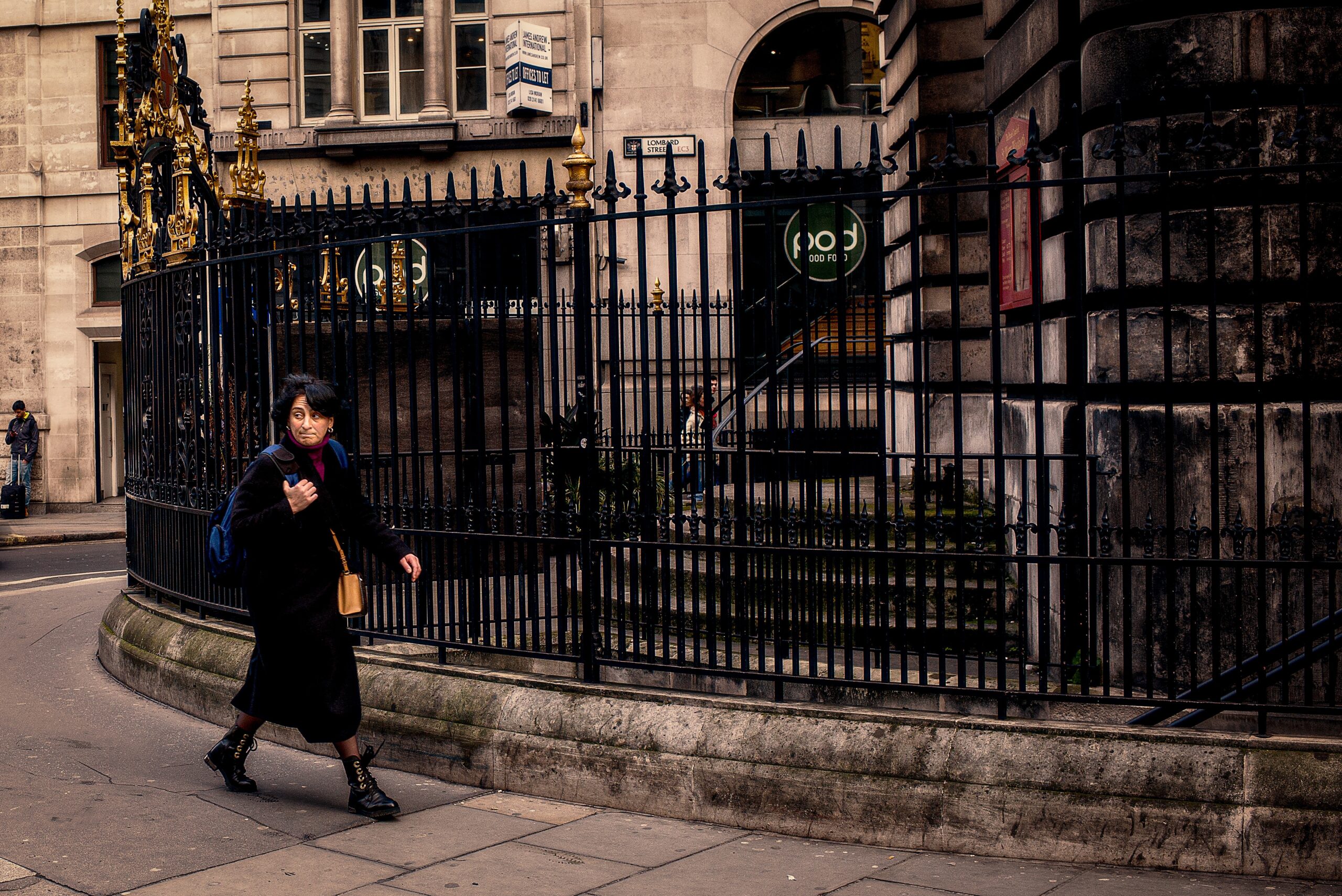
A fence is the first thing anyone meets before they reach your door, your yard or your stock. For some properties, a simple boundary is enough. For others, such as warehouses, schools, car parks and building sites, the fence has to stop people getting in at all. Choosing the wrong type usually means paying twice.
At East London Metal Engineering Ltd we design, make and install metal fencing from our workshop in Forest Gate, E7, for homes, businesses and industrial sites across London. Here is how we help customers pick the right security fencing.
Start with the risk, not the style
Before looking at fence types, it helps to answer a few simple questions:
What are you protecting? A family garden, a car park, a plant yard and a fuel store all carry very different levels of risk.
Who are you keeping out? Casual trespassers and fly-tippers are stopped by a solid, tall fence. Determined thieves with tools need something harder to climb and cut.
Does the site need to look welcoming? A school or office needs strong security that doesn’t look hostile. A storage yard usually doesn’t care about looks.
Do you need to see through it? Many sites need clear views for CCTV, staff or passing police, which rules out solid boarding.
Once these are clear, the right fence type usually picks itself.
The main types of security fencing
Steel palisade fencing
Palisade is the tall fence of vertical steel pales, often with pointed or split tops, seen around depots, substations and factories. It is very hard to climb, difficult to cut through quickly, and it gives a clear message that the site is protected. It suits industrial and high-risk commercial sites where appearance comes second.
Mesh panel fencing
Welded mesh panels give strong security with good visibility. Standard mesh suits schools, parks, sports grounds and business parks. For higher security, tight anti-climb mesh has gaps too small for fingers or toes, which makes it very hard to climb or cut with hand tools. Mesh also looks lighter and more modern than palisade.
Vertical bar fencing
Vertical bar fencing uses round or square bars between top and bottom rails. It works well for public buildings, housing developments and car parks, where you need security but also a neat, finished look. It can be made with spiked tops or plain tops depending on the setting.
Decorative metal fencing
For homes, offices and period buildings, decorative fencing adds security without looking like a compound. Finials, scrolls and laser-cut panels can match existing railings and gates, while still being strong enough to keep people out.
Details that make a fence secure
Two fences of the same type can perform very differently. The things that matter most are:
Height. Taller fences are harder to climb, but height is limited by planning rules, especially next to roads.
Post spacing and foundations. Posts set in concrete at the right depth stop the fence being pushed over or lifted.
Fixings. Security bolts and welded fixings stop panels being unbolted from outside.
Ground gap. The gap under the fence should be kept small, so nobody can crawl or dig under.
Gates. A strong fence is only as secure as its weakest gate. Matching security gates with proper locks, or automated access control, should be planned with the fence, not added later.
Planning permission and rules
In England, fences and walls are usually allowed without planning permission up to 1 metre high next to a road used by vehicles, and up to 2 metres elsewhere. Anything taller, or any fence on a listed building or in a conservation area, may need permission. Commercial and industrial sites can have their own planning conditions, so it is worth checking before ordering. If you plan to use anti-climb paint or toppings, put up warning signs, as a property owner can be held responsible for injury to people on their land.
Finishes that last in London
Bare steel won’t last long outdoors. We galvanise fencing to protect it from rust, and most customers add a powder coat on top in a colour that suits the site. Green and black are popular for schools and parks, while black and anthracite grey suit homes and offices. A galvanised and powder-coated fence needs very little maintenance beyond the odd wash and a check of the fixings.
Installation matters as much as the fence
A good fence put up badly fails quickly. Posts have to be set out in straight lines, at the right depth and level, even on sloping or uneven ground. Old London sites often hide buried services, old foundations and rubble, so the ground needs checking before digging.
Because we make the fence ourselves, we can adjust panel heights for slopes, make special sections to fit around trees and buildings, and match gates to the fence line. Our metal fencing installation team handles the survey, setting out, groundwork and fitting, and we also repair and maintain existing fences.
Quick guide: which fence for which site
Warehouses, depots and utility sites: steel palisade or anti-climb mesh.
Schools, parks and sports grounds: mesh panels or vertical bar fencing.
Offices, car parks and housing developments: vertical bar or mesh in a powder-coated colour.
Homes and period properties: decorative metal fencing matched to gates and railings.
Talk to us about your site
Every site is different, so we start with a visit, measure the boundary and talk through the risks. You can see the range we make on our metal and security fencing page. To arrange a survey, call East London Metal Engineering Ltd on 079 5167 3924 or 020 3976 9705, or email info@eastlondonmetal.com with a few photos and the rough length of fence you need.