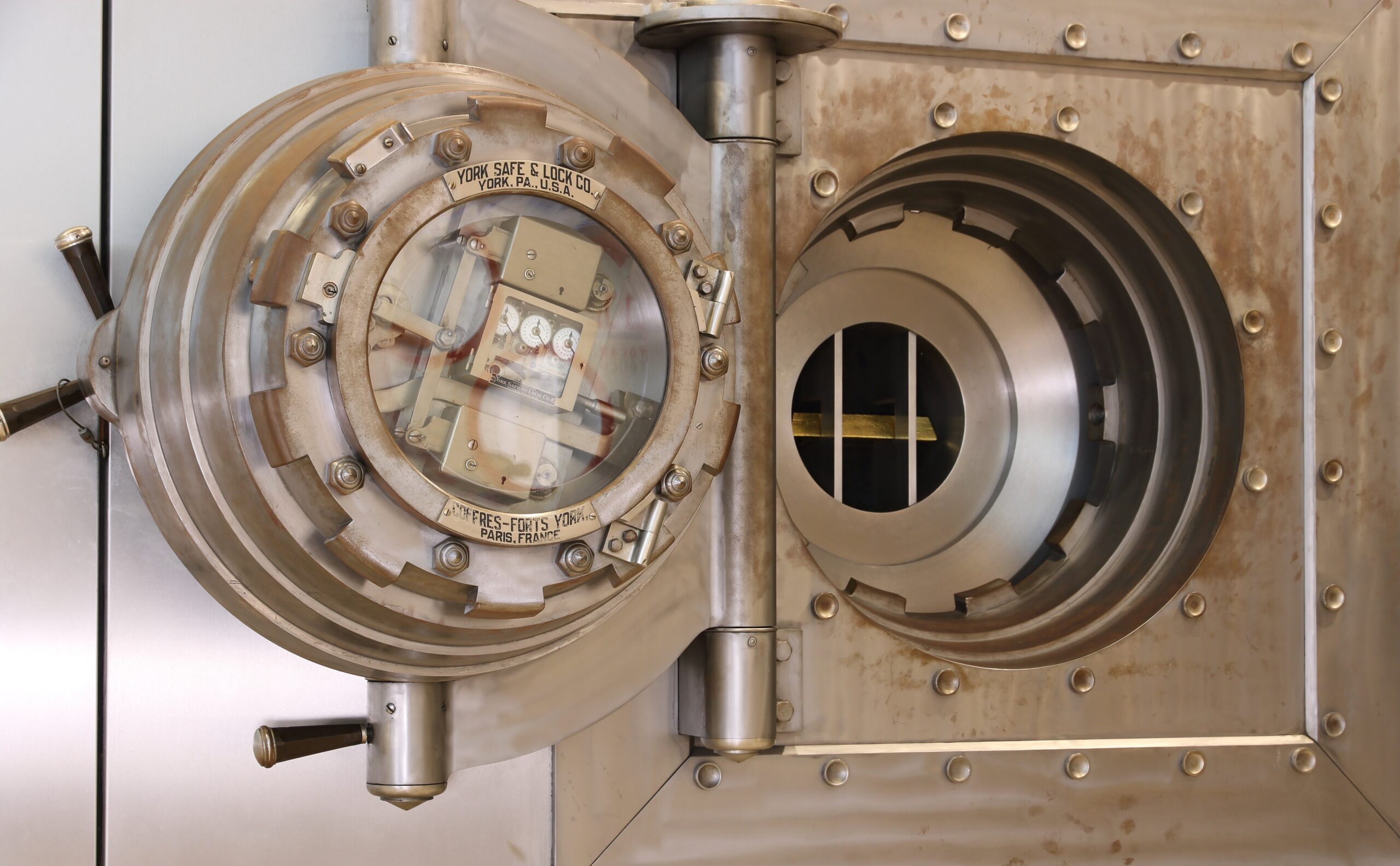
Every metal security door looks roughly the same from the pavement solid steel, a keyhole, maybe a small window. What actually determines whether it stops a break-in or just slows one down is invisible from the outside: the gauge of steel, the certification it’s been tested to, and whether the locking system matches the rating on the label. This guide explains what those ratings actually mean, so you’re specifying the right level of protection rather than paying for a number on a spec sheet that doesn’t match your actual risk.
Why Steel Door Alone Tells You Almost Nothing
Steel doors on the UK market range from around £200 to over £5,000, and the difference isn’t marketing it’s genuinely different construction. A budget steel door might use 0.8mm galvanized steel with a honeycomb core and no internal reinforcement. A high-security rated door uses 1.2mm+ steel with mineral wool insulation and multiple internal reinforcement bars. Two doors that look identical once fitted can have wildly different resistance to someone with a crowbar and five minutes.
The Two Main UK Security Standards
PAS 24 is the enhanced security performance standard most commonly specified for residential and light commercial doors, and it’s also the standard new-build properties need to meet under UK building regulations. It’s a solid baseline adequate for most homes and standard commercial premises but it doesn’t offer the graduated protection levels that higher-risk sites need.
LPS 1175 is the standard for genuinely serious protection, tested and certified by the Loss Prevention Certification Board (LPCB). It’s graded Issue 8 uses categories A1 upward, with SR2 to SR5 commonly specified depending on risk and the testing is brutal by design: a full doorset (leaf, frame, hinges, locks, and any glazing) is attacked with real tools crowbars, drills, angle grinders for a sustained period, and the whole assembly has to hold. This is the rating you specify for commercial premises, construction sites, vacant properties, or anywhere holding valuable stock.
A related standard, Secured by Design, isn’t a test itself but an accreditation recognised by UK police forces and insurers a door carrying it has already met PAS 24 or LPS 1175 testing and been endorsed as genuinely reducing burglary risk. Specifying an SBD-accredited door can influence both insurance premiums and, in some cases, planning decisions.
The Detail Most People Miss: It’s the Whole Assembly, Not Just the Door
This is the point that trips up a lot of specifications: an LPS 1175 rating applies to the complete doorset leaf, frame, hinges, locking system, and glazing together not to the steel panel on its own. Swap out a component, fit a different lock, or install it slightly differently from the tested specification, and the certification is invalidated even though the door itself hasn’t changed. If you’re specifying a rated door, the installer needs to fit it exactly to the certified configuration, or the rating on the paperwork stops meaning anything.
What Rating Actually Suits Your Property
- Standard home or light commercial premises: PAS 24 covers most baseline protection needs and satisfies building regulations for new builds.
- Higher-risk commercial or industrial premises: LPS 1175 SR2 or SR3 (or the older Issue 7 equivalent, BR3/BR4 under STS 202) is the level most insurers and risk assessors specify for construction sites, vacant properties, and general commercial premises.
- High-value or high-risk sites: LPS 1175 SR4 and above is reserved for genuinely serious risk data centres, high-value storage, financial premises where sustained attack resistance is the whole point of the specification.
- Where a lock alone isn’t enough: British Standard locks (BS 3621) used to be the default insurance requirement, but most insurers are now moving toward specifying the whole door as a rated system rather than judging the lock in isolation.
Installation typically adds £150–£1,000 on top, depending on whether it’s a straightforward retrofit or requires structural work to the opening. As a rule, if a quote for a “high security door” comes in well below these ranges, it’s worth asking exactly which standard if any it’s actually certified to.
Why Work With East London Metal Engineering Ltd
At East London Metal Engineering Ltd, metal security doors are specified against the actual risk level of the property, not sold as a one-size-fits-all product. That means a straightforward PAS 24 door for a standard residential entrance, or a fully certified LPS 1175 doorset leaf, frame, hinges, and locking system installed exactly to the tested specification for a commercial site where insurers or a risk assessment call for it.
Whether you’re protecting a shopfront, a storage facility, or reinforcing an existing entrance without replacing the original door, the right starting point is matching the rating to the actual risk not assuming “steel” automatically means “secure.”
Frequently Asked Questions
What’s the difference between PAS 24 and LPS 1175?
PAS 24 is the enhanced security standard for residential and light commercial doors, required for UK new-build compliance. LPS 1175 is a more rigorous, graded standard (SR2 upward) involving sustained attack testing with real tools, used for higher-risk commercial and industrial applications.
Does a security door rating cover the lock as well as the door?
Yes LPS 1175 and PAS 24 certification apply to the complete doorset, including the frame, hinges, and locking system, not just the steel leaf. Changing any component can invalidate the certification.
Will a rated security door reduce my insurance premium?
It can, particularly if it carries Secured by Design accreditation, which insurers widely recognise. The specific impact depends on your insurer and the overall risk profile of the property.
Is PAS 24 enough for a commercial property, or do I need LPS 1175?
It depends on risk level. PAS 24 suits standard commercial premises with baseline security needs. Higher-risk sites construction sites, vacant properties, high-value storage typically need LPS 1175 SR2 or above, often specified directly by an insurer or risk assessment.