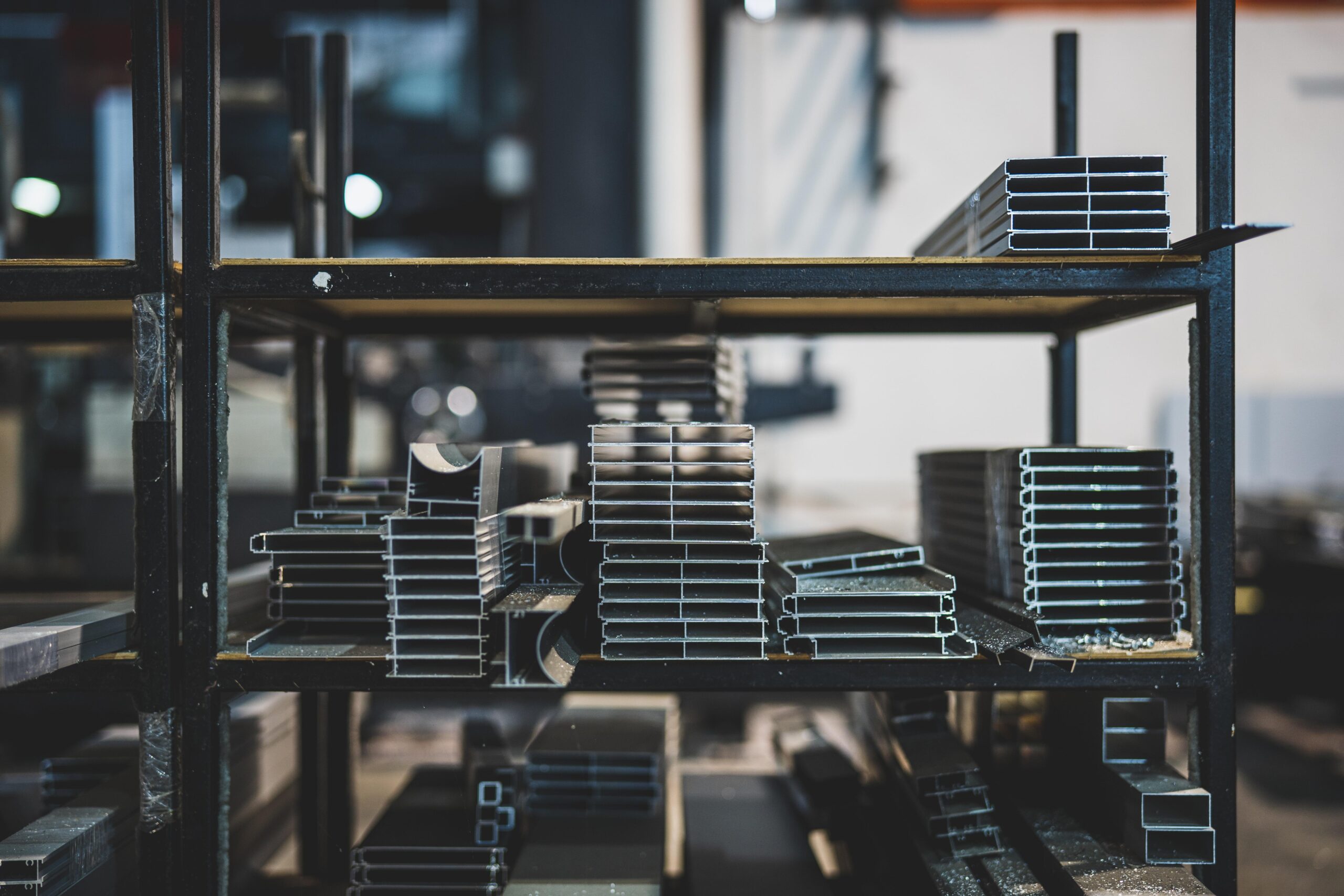
Custom metal fabrication gets used loosely sometimes it means a one-off bracket, sometimes it means a full bespoke staircase. What actually decides the price and the process is the same regardless of scale: material, complexity, and finish. This guide skips the general what is fabrication explainer and goes straight to what matters when you’re actually budgeting a project what drives cost, when custom is genuinely worth it over an off-the-shelf product, and how to get a quote you can actually compare against another.
When You Actually Need Custom Fabrication (And When You Don’t)
Not every metal project needs a bespoke build. A standard gate bracket, a common size of railing post, or a stock steel beam section can often be bought off the shelf for less and delivered faster. Custom fabrication earns its cost when:
- The space or opening is a non-standard size — a stairwell in a converted Victorian building, an awkward driveway entrance, a structural gap that doesn’t match a catalogue size
- The load or structural requirement is specific to the site — a beam spanning an unusual distance, a staircase carrying more traffic than a standard domestic product is rated for
- The finish or design needs to match existing architecture — matching an original ironwork pattern, a specific powder-coat colour, integrating with period features
- Off-the-shelf options genuinely don’t exist — a fire escape staircase built to fit a specific building elevation, for instance, is inherently a custom job
If none of these apply, a stock product is usually the smarter spend. If any of them do, custom fabrication is the only route that actually fits.
What Actually Drives Custom Fabrication Cost
Four factors do most of the work in any quote:
Material type and grade. This is typically the single biggest cost driver. Mild steel is the most economical option and suits most structural and general fabrication work. Stainless steel costs more both the raw material and the extra care needed in cutting and welding but earns that cost back in corrosion resistance for anything exposed to weather or heavy use. Aluminium sits in the middle: lighter than steel, naturally corrosion-resistant, but needs different cutting and welding setups that can add to fabrication time.
Design complexity. A simple straight bracket or panel costs a fraction of an intricate curved staircase stringer or a piece with tight tolerances. Every bend, weld, and precision cut adds labour time, and labour not material is usually where the bulk of a complex job’s cost sits.
Finish. Powder coating, galvanizing, and polishing all add cost on top of the raw fabrication, and the right finish depends entirely on where the piece is going external steelwork needs weather protection that an internal decorative piece doesn’t.
Quantity and lead time. A one-off piece costs more per unit than a batch of ten, because setup time is largely fixed regardless of how many pieces come off the same setup. Rushed turnaround also adds cost, since it usually means reshuffling other work to prioritise yours.
The mistake worth avoiding is over-specifying choosing stainless steel for an internal, low-exposure piece where mild steel with a good powder coat would do the same job for considerably less.
How to Get a Quote You Can Actually Compare
Fabricators can only quote accurately against clear information, and vague requests get vague, hard-to-compare quotes back. Before asking for pricing, have ready:
- Drawings or a measured sketch — full CAD isn’t necessary, but dimensions, tolerances, and any structural requirements should be clear
- Material preference — or ask the fabricator to recommend one based on where the piece will be used
- Quantity — a single custom piece vs. a small batch changes the cost per unit significantly
When quotes come back, don’t just compare the bottom line. A quote that breaks down material, labour, and finishing separately is easier to compare fairly than one that’s a single lump figure and it tells you exactly where a cheaper competitor might be cutting corners.
Real Scenarios: How This Plays Out
A loft conversion needing a spiral staircase to fit a non-standard stairwell diameter is a textbook custom job no off-the-shelf staircase fits an opening that was never built to a standard size, and the curved stringers alone push it into bespoke fabrication regardless of material choice.
A shopfront needing a security grille to match an existing decorative ironwork pattern is another clear case matching an existing design requires custom laser-cutting or fabrication rather than a stock grille, even though the underlying structure (a simple grille frame) isn’t complex on its own.
By contrast, a standard driveway gate bracket or a common section of railing post is rarely worth custom fabrication the cost premium buys you nothing a stock part doesn’t already deliver.
Why Work With East London Metal Engineering Ltd
At East London Metal Engineering Ltd, custom metal fabrication is quoted against the actual project material, complexity, and finish specified upfront rather than a generic day rate applied regardless of what’s being built. That transparency matters most when you’re comparing quotes, because a detailed breakdown shows exactly where your budget is going, not just a final number to accept or reject.
Whether it’s a one-off bespoke staircase, a batch of matching balustrade panels, or a structural piece that needs to fit a site no catalogue product was designed for, the process starts with the same question: does this genuinely need to be custom, or is there a faster, cheaper standard option that does the job just as well? Getting that answer right before fabrication starts is what keeps a custom project on budget.
Frequently Asked Questions
Is custom metal fabrication always more expensive than buying a standard product?
Not necessarily more than the product itself, but generally yes for a single piece you’re paying for design time and one-off setup rather than spreading that cost across mass production. It’s worth it when a standard product genuinely doesn’t fit your requirements.
What information does a fabricator need to give an accurate quote?
Clear dimensions or drawings, your material preference (or a request for a recommendation), and the quantity needed. The more specific this is upfront, the more accurate and comparable the quote will be.
Does material choice really make that much difference to cost?
Yes it’s typically the single largest cost factor. Stainless steel can cost significantly more than mild steel for the same piece, once you account for both raw material price and the extra care needed in fabrication.
How much does lead time affect the price?
Rushed turnaround usually costs more, since it means reprioritising other jobs to fit yours in. A realistic lead time discussed upfront is usually the more cost-effective route than requesting the fastest possible delivery.