Most of the jobs that come into our workshop don’t start with a drawing. They start with a photo on a phone, a rough sketch on the back of an envelope, or a sentence like we’ve got this awkward gap and nothing off the shelf fits. That’s exactly what bespoke metal fabrication is for.
At East London Metal Engineering Ltd, we design, fabricate and install made-to-order metalwork from our workshop under the railway arches in Forest Gate, E7. This guide explains how bespoke metal fabrication actually works, when it’s worth it and when it isn’t, how to brief a fabricator so you get what you pictured, and what separates a good fabricator from one who simply welds things together.
What bespoke metal fabrication actually means
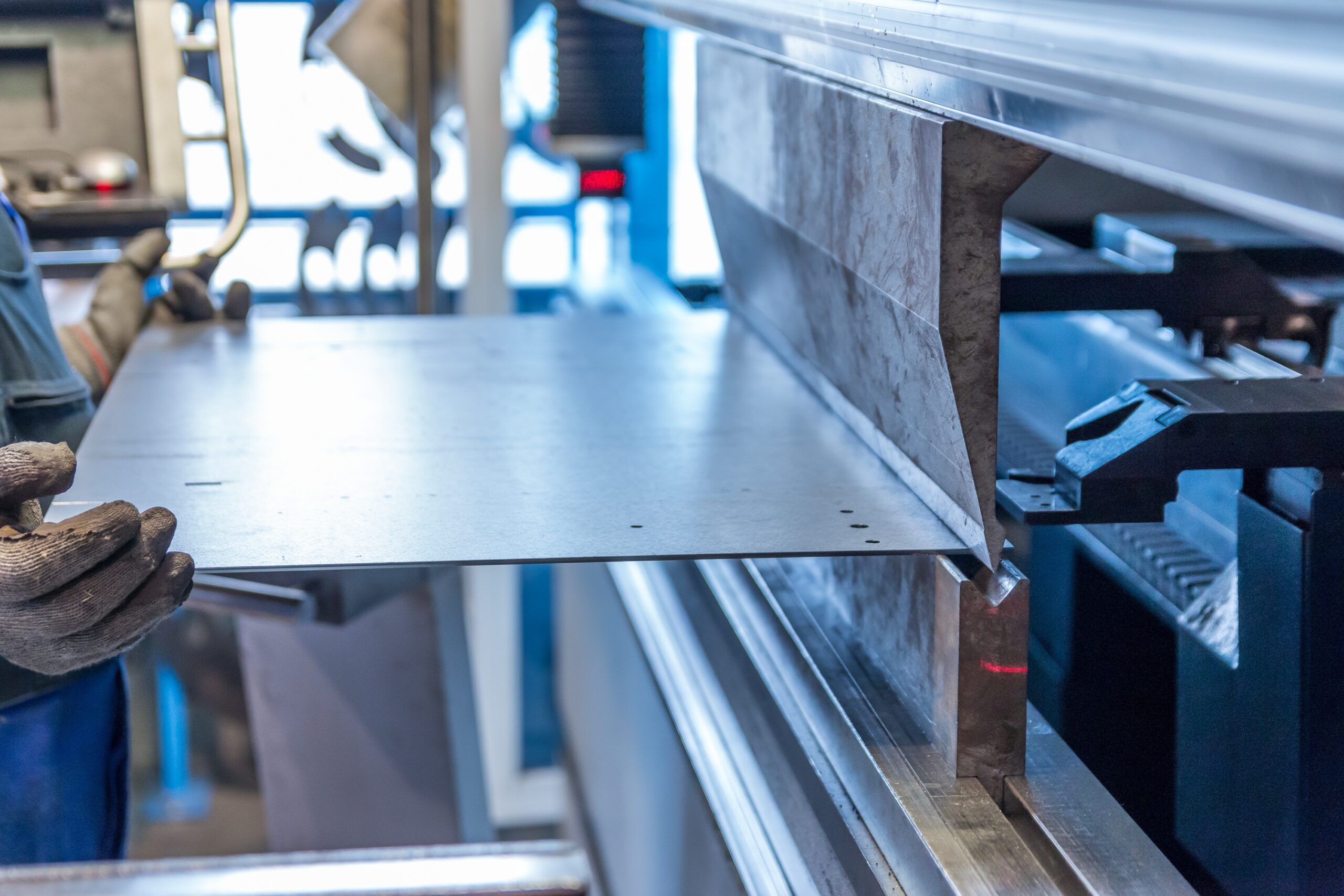
Metal fabrication is the process of turning raw steel, stainless steel or aluminium into a finished item by cutting, shaping, drilling, welding and finishing it. Welding is only one part of it. The real skill sits in the measuring, design and setting out before a single cut is made.
Bespoke means the item is designed around your exact site and needs: your measurements, your loads, your style, and any regulations it has to meet. Nothing is pulled from a catalogue and adjusted to fit.
That’s the key difference. An off-the-shelf railing panel comes in standard widths, and your site has to work around it. A bespoke railing is drawn to your wall, your corners and your levels, so it works around your site.
When bespoke is worth it, and when it isn’t
We’ll be honest: not every job needs bespoke fabrication. Standard products are cheaper and quicker when your site is simple.
Off-the-shelf usually makes sense for:
- A straight run of standard-height fencing on level ground.
- Simple garden gates in common widths.
- Temporary or low-visibility items where appearance doesn’t matter much.
Bespoke usually makes sense when:
- Your site is irregular: out-of-square walls, slopes, curves, old buildings that have moved over 100 years.
- You need to match something that already exists, such as Victorian railings, a neighbour’s gate, or an architect’s design.
- The item carries a load: beams, frames, staircases, balconies, mezzanines.
- It has to meet a specific regulation, such as Building Regulations, fire escape requirements or food hygiene rules.
- Appearance really matters: a feature staircase, a shopfront, a statement gate.
- Nothing on the market does the job.
A real-world example: a homeowner in a Walthamstow terrace wants a balustrade on a small rear roof terrace. The parapet wall is 40mm out of level over 4 metres, and one corner isn’t square. Standard panels would leave tapered gaps and need packing. A bespoke balustrade, measured on site and made to fit, sits flush and looks like it was always part of the building.
What can be made: real examples from London projects
Bespoke metal fabrication covers far more than most people expect. Here are the kinds of jobs we see regularly in London:
- Structural steel for home extensions and loft conversions, such as beams, goalpost frames and padstones designed around the engineer’s calculations.
- Staircases that fit awkward spaces, from spiral stairs in a tight loft to external steel fire escapes on commercial buildings.
- Railings, balustrades and handrails matched to period properties or designed for modern flats.
- Security grilles, metal doors and window bars for shops and warehouses, sized to existing openings.
- Commercial kitchen canopies made in stainless steel to fit a restaurant’s exact cooking line.
- Stainless steel fittings such as ablution seating, drainage grilles and worktops for hygienic spaces.
- Shopfront frames, signage brackets and display fixtures.
- Gates, bin stores, bike shelters and planters for housing developments.
- One-off items: a steel frame for a reclaimed timber table, brackets for a heavy floating shelf, a bracket to support an air-conditioning unit on a flat roof.
Another real-world example: a café in East London needs a stainless steel canopy over a new range, but the ceiling has a beam running across it. A standard canopy won’t fit under the beam. A bespoke one is notched around the beam and sized to the exact appliances underneath, so the extraction still works properly.
How the process works, step by step
Every fabricator does things a little differently, but a properly run bespoke job usually follows these stages.
1. The conversation
We start by finding out what the item needs to do, not just what it should look like. Who will use it? What loads will it carry? Is it inside or outside? Does it need to meet any regulations? What’s your budget and deadline?
2. Site survey
This is the stage cheaper fabricators often skip, and it’s where most problems are prevented. We measure the actual site, not the plans, because buildings rarely match their drawings exactly. We check levels, wall and floor conditions, fixing points, access routes and how the item will get on site.
That last point matters in London. A 4-metre beam won’t go up a narrow terrace staircase, and a one-piece spiral stair won’t go through a standard door. Sometimes the design has to be split into sections and bolted together on site.
3. Design and drawings
We turn the brief and survey into CAD drawings and, where useful, 3D visuals. You see exactly what you’re getting before any steel is cut. For structural work, the design follows the structural engineer’s calculations. If you don’t have an engineer, we’ll tell you when you need one.
4. Material selection
The right material depends on where the item lives and what it does:
- Mild steel is strong, cost-effective and easy to fabricate. It’s right for most structural and architectural work, but needs protection from rust.
- Stainless steel resists corrosion and is easy to clean. It’s ideal for kitchens, food areas, washrooms, coastal sites and modern architectural details.
- Aluminium is lightweight and won’t rust. It’s good for large sliding gates, cladding and items that need to be lifted by hand.
- Brass, bronze and copper are used for decorative details where appearance comes first.
5. Fabrication
In the workshop, the steel is cut, drilled, bent, rolled and welded to the drawings. Good fabricators “trial fit” complex items in the workshop before they leave, so problems are found on the bench, not on your site.
6. Finishing
The finish protects the metal and decides how it looks:
- Hot-dip galvanising gives the best rust protection for outdoor steel.
- Powder coating gives a tough, even colour in almost any RAL shade.
- Galvanising plus powder coating gives you both, and is our usual recommendation for outdoor work in London’s weather.
- Brushed or polished finishes are used for stainless steel.
7. Installation
The item is delivered, positioned and fixed, whether that’s bolted, welded on site, chemically anchored or set in concrete. Then it’s checked against the drawings. For safety-critical items like balustrades and stairs, it’s also checked against the relevant regulations.
Standards and regulations you should know about
Bespoke doesn’t mean “anything goes”. Depending on what’s being made, these are the rules that usually apply:
- Structural steelwork, such as beams and columns, should be fabricated to BS EN 1090, the standard for structural steel and aluminium. Ask whether your fabricator works to it.
- Building Regulations apply to stairs, balustrades, guarding, balconies and fire escapes. They cover things like heights, gaps and the loads guarding must withstand.
- Building Control sign-off is often needed for structural work in extensions, loft conversions and new staircases.
- Food and hygiene requirements apply to commercial kitchen canopies and stainless steel fittings.
- Listed building and conservation rules apply to railings, gates and visible metalwork on protected properties.
If a fabricator doesn’t ask about any of these, that’s a warning sign.
How to brief a fabricator so you get what you pictured
The quality of what you get depends a lot on the quality of your brief. Here’s what to send:
- Photos of the site from several angles, including close-ups of where the item will fix.
- Rough measurements, even if you’ll want a proper survey later.
- Reference images of designs you like and don’t like. “Not like this” is often as useful as “like this”.
- Any drawings you have: architect’s plans, engineer’s calculations, a sketch.
- How it will be used: who uses it, how often, and inside or outside.
- Your budget range and deadline, so the fabricator can design to them rather than guess.
A clear brief means a more accurate first quote and fewer surprises later.
How to choose a bespoke metal fabricator
These are the questions worth asking before you commit:
- Do you fabricate in-house, or subcontract the work? In-house means better quality control and one team responsible for the result.
- Will you survey the site yourselves, or work only from my measurements?
- Can you produce CAD drawings for me to approve before fabrication?
- Do you work to BS EN 1090 for structural steel?
- Who does the finishing, and what system do you recommend for my item?
- Do you install, or just deliver?
- Can I see examples of similar work you’ve done?
A remote fabricator working only from drawings can work well for simple parts. For anything that has to fit an existing building in London, having the same team survey, make and install the work removes the most common source of problems: something that was made to the drawing but doesn’t fit the site.
What does bespoke metal fabrication cost?
It depends on the material, size, complexity, finish and installation. Labour usually matters more than the steel itself, so a complicated small item can cost more than a simple large one. For a full breakdown of what drives the price, read our custom metal fabrication cost guide.
Bespoke metal fabrication with East London Metal Engineering Ltd
We’re a London metal fabrication company based at Arch 379, Station Road, Forest Gate, E7. We work with homeowners, builders, architects, landlords, restaurants and commercial clients across London and the wider UK.
What you can expect from us:
- A site survey and an honest view on whether bespoke is the right route for your job.
- CAD drawings and 3D visuals for you to approve before fabrication starts.
- In-house fabrication in mild steel, stainless steel and aluminium.
- Galvanising, powder coating and specialist finishes.
- Installation by our own team, plus on-site welding for repairs and modifications.
- One team responsible from first sketch to final fixing.
Got an idea, a sketch or a problem that nothing off the shelf will solve? Send us photos and rough measurements, and we’ll tell you what’s possible. Call 079 5167 3924 or 020 3976 9705, email info@eastlondonmetal.com, or request a free quote online.
Frequently asked questions
What is bespoke metal fabrication?
It’s the design and manufacture of metal items made specifically for your site and requirements, rather than standard products adapted to fit.
Can you work from a rough sketch?
Yes. Many projects start with a sketch or photo. We survey the site and turn your idea into accurate drawings for you to approve.
How long does bespoke metal fabrication take?
Simple items can take a week or two. Larger projects like staircases, balconies or structural frames usually take several weeks, depending on design approval, finishing and installation.
Do I need a structural engineer?
For anything that carries a significant load, such as beams, frames, balconies or staircases, you will usually need structural calculations. We’ll tell you if your project needs them.
Is bespoke always more expensive than off-the-shelf?
Not always. On awkward sites, a bespoke item can cost less overall, because it avoids packing, cutting and adapting standard parts on site.
Can you modify or repair existing metalwork?
Yes. We offer on-site welding and fabrication to repair, extend or adapt existing steelwork.